
‘I Play Rocky’ Plays the Hits
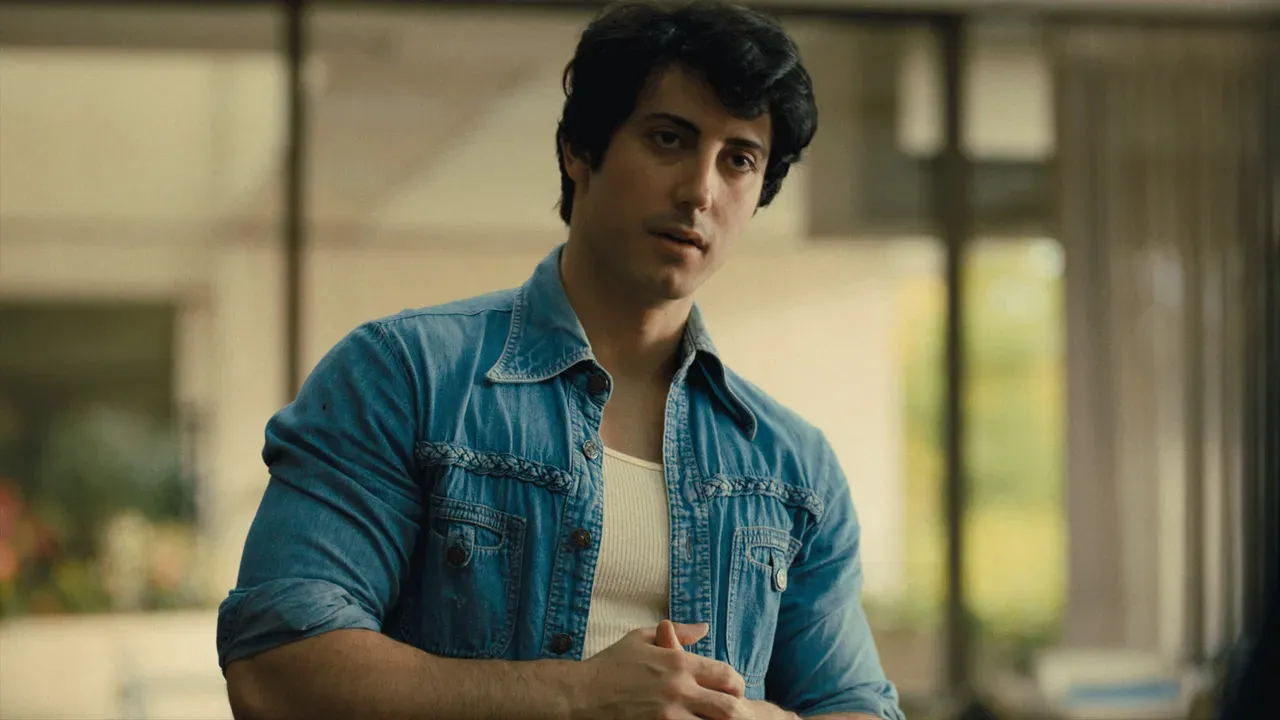
Anthony Ippolito is a genuine find as Sylvester Stallone, but Peter Farrelly's crowd-pleaser is a copy of a copy, a greatest hits album of a much better movie.
Audiences at the Toronto International Film Festival show up to every screening already engaged and well-trained, and the minutes before the lights go down play like a call and response. The army of volunteers who make the festival run gets a round of applause. So do the Indigenous nations on whose land Toronto was built. And when the anti-piracy notice comes on, audience members yell “ARGH” like a theater full of pirates. All of it is uniquely, delightfully Canadian.
Cannes, Venice, and Telluride can feel like exclusive clubs for press, critics, and the few civilians who can afford the trip. Toronto is built for everyone else. Unlike most major festivals, it’s open to the public rather than just the industry and the media, and the lineup runs from awards contenders to potential blockbusters. On any given day you’re as likely to find a line around the block for Werner Herzog’s Bucking Fastard as for a crowd-pleaser like I Play Rocky. The festival’s top prize, the People’s Choice Award, is voted by those same audiences, and it has become a reliable Oscar bellwether: 13 of the last 16 winners went on to Best Picture nominations, and four of them won.
Some things don’t transfer. The most notorious case is Green Book, Peter Farrelly’s last trip through Toronto, which took the People’s Choice Award in 2018, then stumbled out of the gate in American theaters over Thanksgiving before slowly legging out to $85 million domestic and a Best Picture win that few people saw coming. That win cemented Toronto’s reputation as the nicer, friendlier version of a film festival. Does nicer mean inferior, a cleaner and safer version of the real thing? And if it does, is that so bad?
The test case this year is Farrelly again. I Play Rocky, written by Peter Gamble, chronicles the making of maybe the greatest underdog sports movie of all time, and at its world premiere at the Princess of Wales Theatre the house was rapturous: laughing, applauding, and genuinely moved by an imitation of a much better movie. Toronto’s vote agreed with the room. The film finished first runner-up for People’s Choice, behind La Bola Negra.
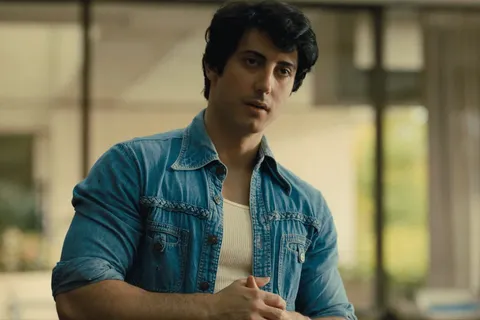
Anthony Ippolito, a relative unknown, steals the show as Sylvester Stallone. His voice is indistinguishable from Stallone’s Rocky. He moves with the same hunched-over, lunking frame, and his facial mannerisms match the original beat for beat. That would be enough for a very good impression. Ippolito also finds the determination, the resilience, and the humor that made Rocky such an enduring character. The movie around him never rises to meet that performance.
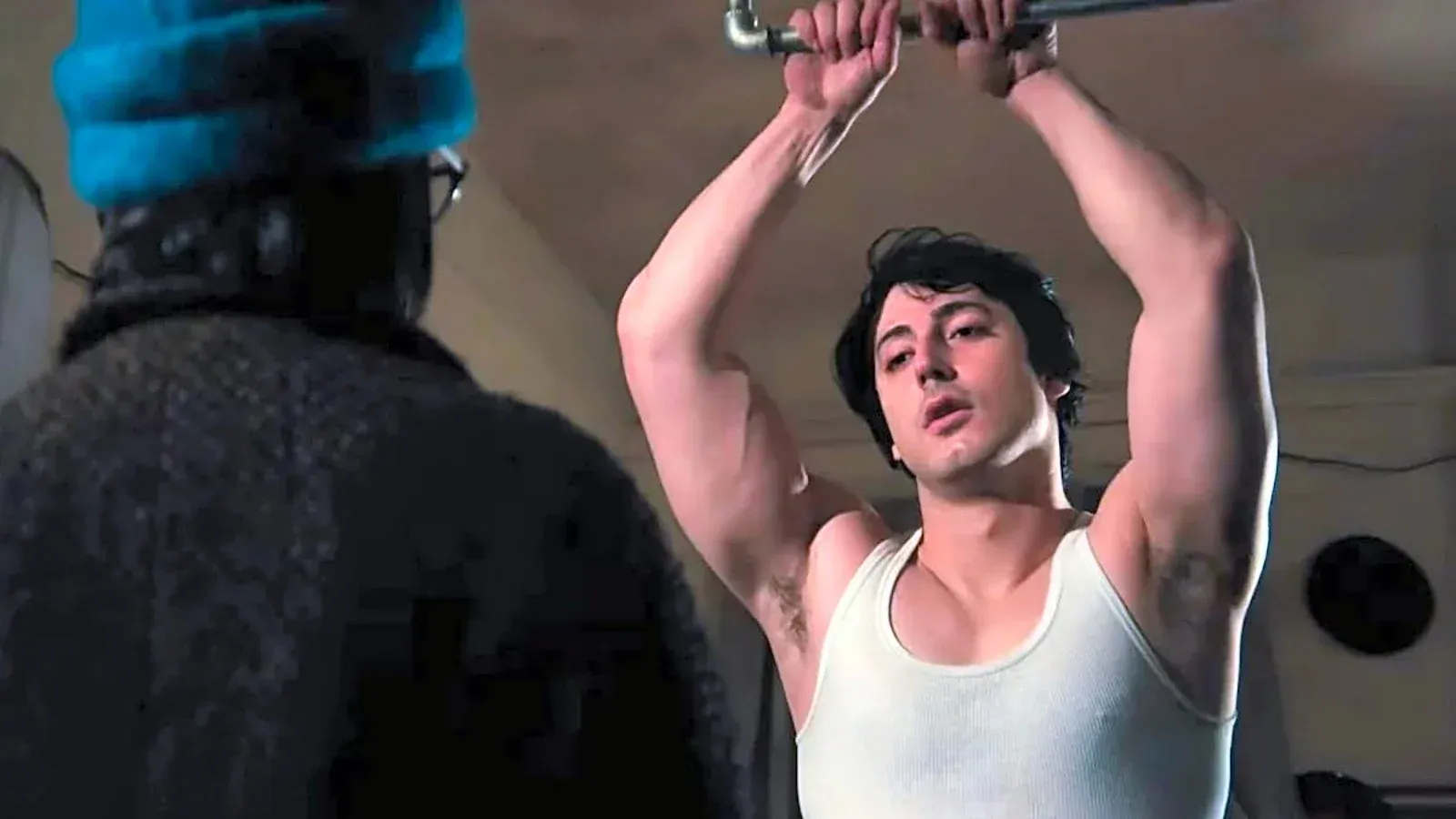
Anthony Ippolito as Sylvester Stallone, in I Play Rocky (2026). Courtesy of Amazon MGM Studios
That’s less a knock on the movie than an accounting of it. Outside Ippolito, and a thick slice of ham from Tracy Letts as Sandy Maddox, a studio executive built as a composite of the era’s gatekeepers, there isn’t much to latch onto here that Rocky didn’t do better. Farrelly made his name on the comedies he directed with his brother Bobby (Dumb and Dumber, There’s Something About Mary, Me, Myself & Irene), and he has never developed the visual flair you’d expect from a Best Picture winner. Listen to him talk about his films and the difference from the auteurs is immediate. Farrelly credits his team first, and jokes that his agent has told him to stop doing that. The more self-serious Nolanites talk about their vision and what they want the audience to experience. Farrelly talks about the people who built the thing with him. He’s an expert box checker, and he checks those boxes in a way that resonates with the everyday filmgoer. To me, that makes for a perfectly enjoyable time at the movies: a light, sometimes genuinely emotional rags-to-riches story I’ve seen before and didn’t mind seeing again.
The problem is the same one that dogs superhero movies and the rest of franchise filmmaking. Festivals are about discovery. They’re about finding something you can’t find on 3,000 screens, like sitting in on the Canadian premiere of a two-hander like Martin McDonagh’s Wild Horse Nine with a thousand other people who are dying to see it. They’re about first-time directors breaking out. Toronto is where Curry Barker’s Obsession premiered last year before selling to Focus for $15 million and grossing more than $500 million. It’s where movies like Anora get celebrated. Films that push the medium forward.
If I sound general about I Play Rocky, it’s because there isn’t much to say about it that hasn’t already been said, and said better. Rocky already has five sequels and three Creed films, and only the first Creed found a new spin on the familiar idea, with a distinctive director in Ryan Coogler. What we have now is a copy of a copy of a copy, a movie too busy checking off plot points in rapid succession to build a single character. It’s a greatest hits album. It’s shallow. Empty calories.
Gamble’s script rushes to make its point in the first act so it can get to the big moments, and in the hurry it skips the foundation those moments need to land. Farrelly’s crew, meanwhile, gives us a generic semblance of 1970s Philadelphia and New York, with vintage costumes to match. The setups are traditional, and so is the movie. The original Rocky had a real warmth to it: the hints of red, even the brief moment of sun peeking through the clouds at the top of the art museum steps. None of that survives here. I Play Rocky is as gray as Rocky’s sweatpants.
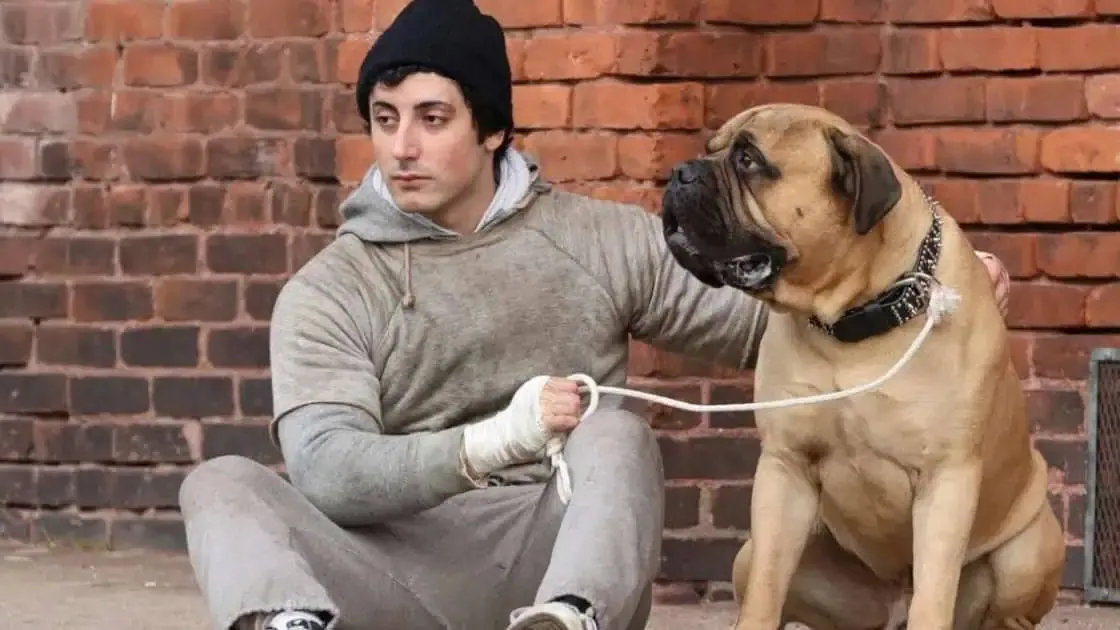
Stallone and his bullmastiff, in I Play Rocky (2026). Courtesy of Amazon MGM Studios
Late in the film, Rocky director John G. Avildsen (Jay Duplass) gives a speech about what makes a great movie. Every movie, he says, has a moment where it can go from good to great, and they’ve been making a good movie, waiting for great. In the filmmakers’ telling, that moment is Stallone’s monologue at his door. Ippolito recreates it word for word, and it’s a powerful scene. But I’d argue with Avildsen. A movie goes from good to great through an accumulation of moments, and I Play Rocky doesn’t have any new ones. The best it can offer is its cast. Ippolito is a genuine find, AnnaSophia Robb is effective as Sasha, Sly’s supportive and much smarter wife, and Letts is having a great time in a completely different movie.
There is something special about the Rocky story, something very American and very Philadelphian that separates it from every other sports story Hollywood has produced. It’s one man’s stubborn determination to keep betting on himself. It represents an America we thought was real, where anything is possible if you pull yourself up by your bootstraps: you can overcome abusive parents, you can overcome sleeping on the street, if you have enough grit and whatever protein shakes Stallone was drinking back in the day. That America doesn’t exist anymore. The poor stay poor, the wealthy get wealthier, and the country drifts further from the land of opportunity toward a land run by and for the very few. That’s the country as it stands.
Independent cinema has changed with it. The studios have merged and morphed into something closer to the old studio system, and if you’re not making an indie horror movie, good luck getting financed. A truly modern take on this material might have carried the story into that world. Creed did something like it, and it worked. Told as a period piece about a time we’ve already seen, with characters we know and lines we can recite, I Play Rocky adds nothing artistically to a genre, or to an industry, that’s slowly eroding. It’s a sign of times we’d rather not be in, and a reminder of what once was that’s more bitter than sweet.
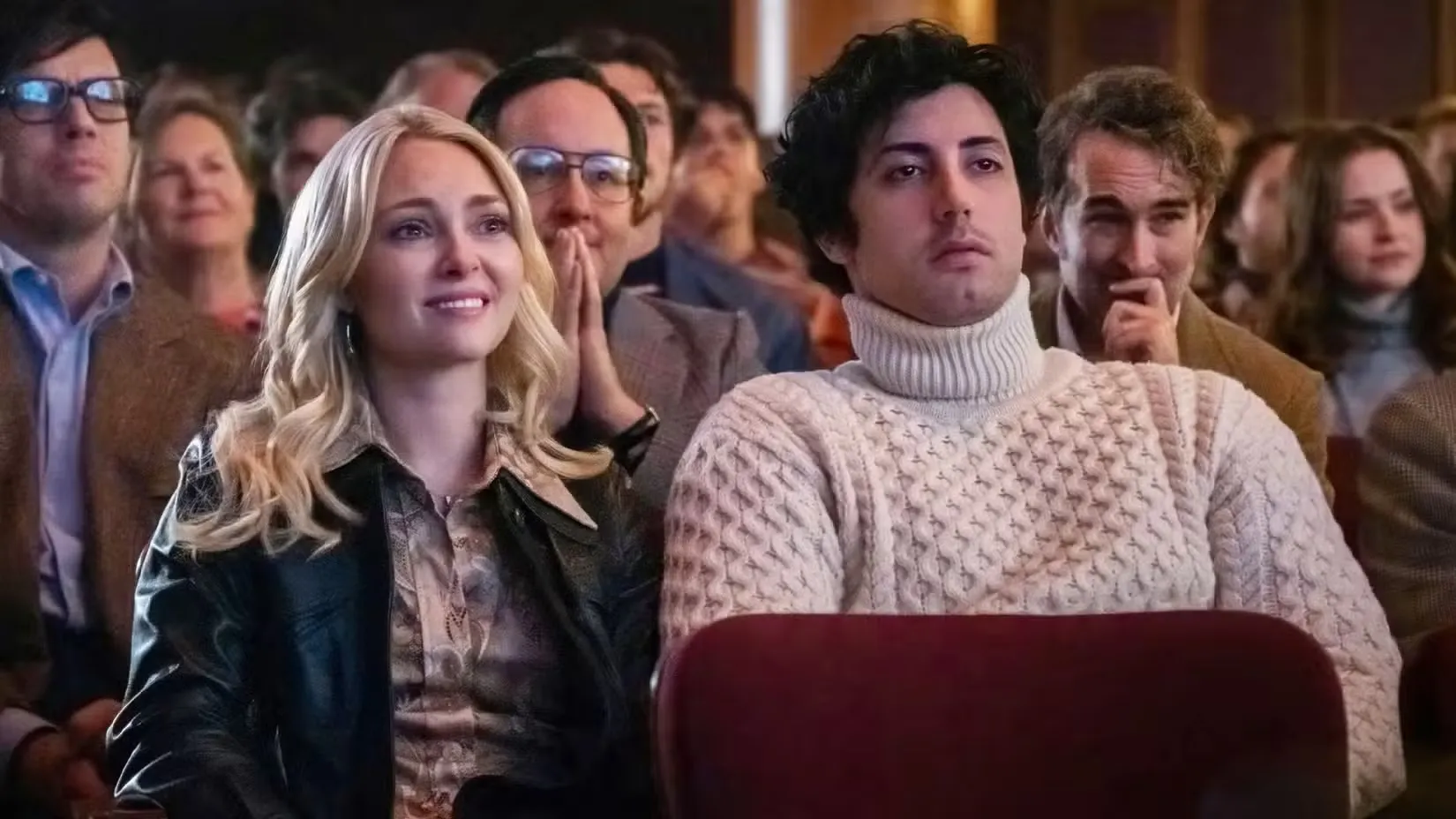
AnnaSophia Robb and Anthony Ippolito at a screening, in I Play Rocky (2026). Courtesy of Amazon MGM Studios
The film ends on a significant moment, and when it came, the crowd on screen and the crowd in the Princess of Wales Theatre stood up and clapped together. Toronto knew all the words.