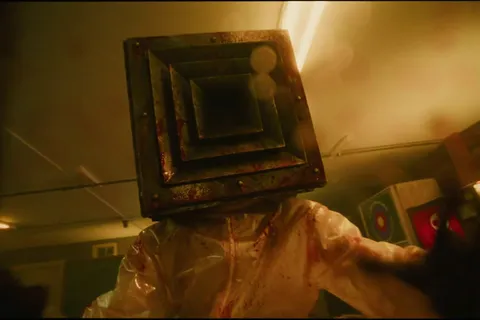
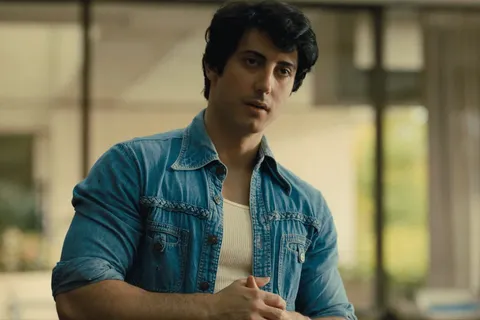
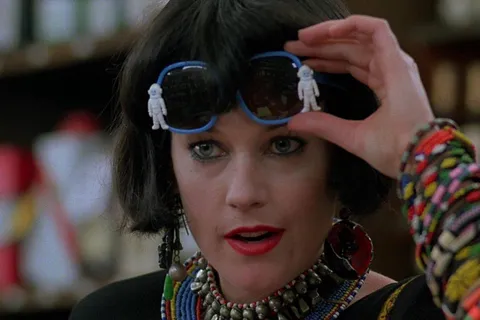

Anna Biller Made a Tragedy. ‘The Face of Horror’ Plays as Comedy.
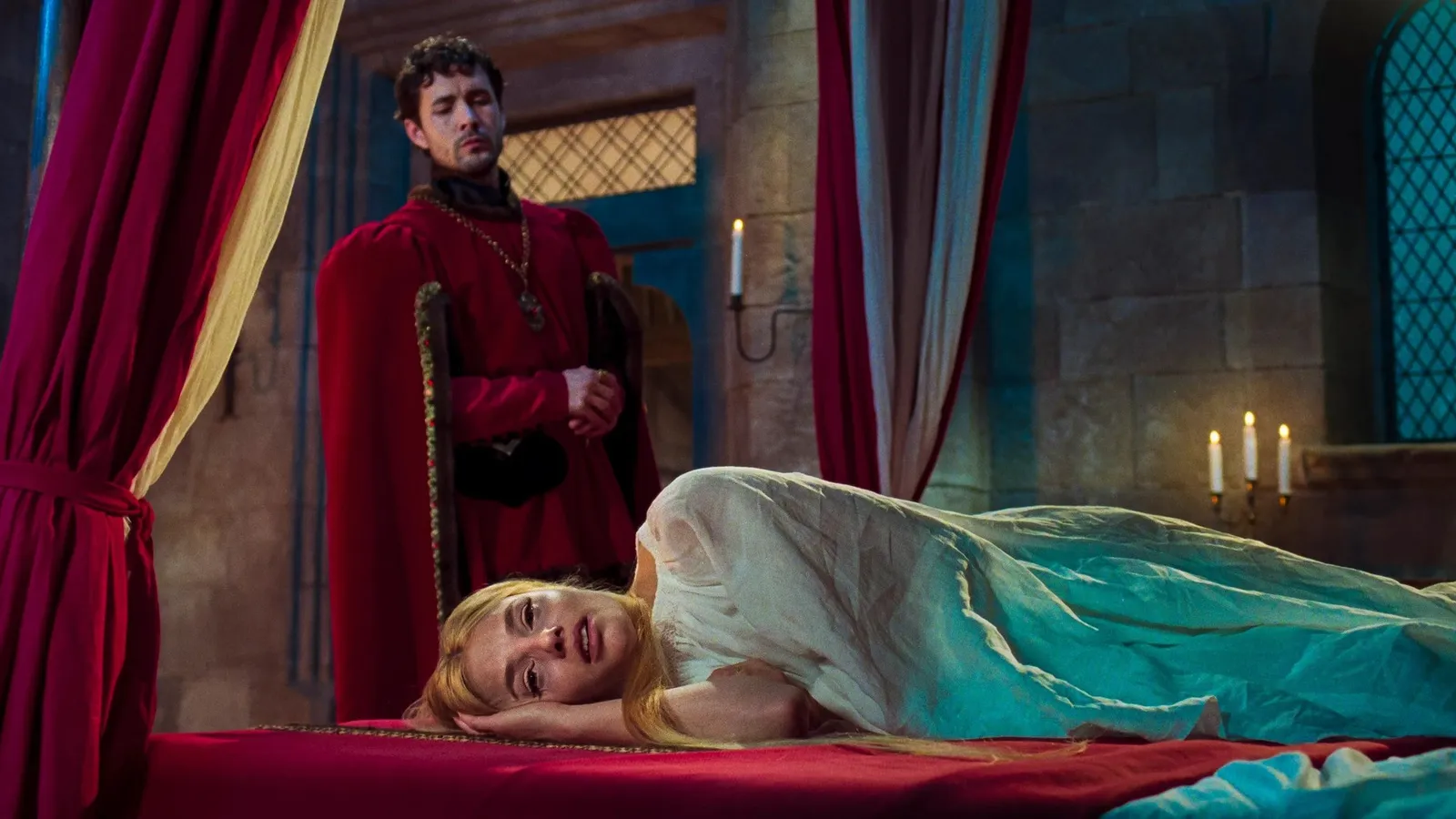
Biller says calling her medieval ghost story camp is a way of refusing to take it seriously. She has a point about the word, and about the room it screened in.
The Midnight Madness crowd came ready to explode. That’s the first thing to know about the world premiere of The Face of Horror, Anna Biller’s follow-up to The Love Witch, which arrived at the Toronto International Film Festival a full decade after the film that made her a cult figure. The room wanted to laugh, to cheer, to talk back to the screen. What it got was a beautiful, sluggishly paced comedy that lacks the bite of her previous film.
Biller was in the house, and after a suitably odd introduction by a host dressed as a jester (a bit that’s much funnier having seen the elaborate costuming in the film), she framed her latest as a tragedy first, but one that hopefully is also very funny. Her long-running subject, the way misogyny shapes what a woman is allowed to be and for how long, does get addressed head-on in The Face of Horror, but what plays on screen is closer to straight comedy than The Love Witch. The former film was a satire that let you laugh at your own discomfort. This one lays its cards on the table, face up, often.
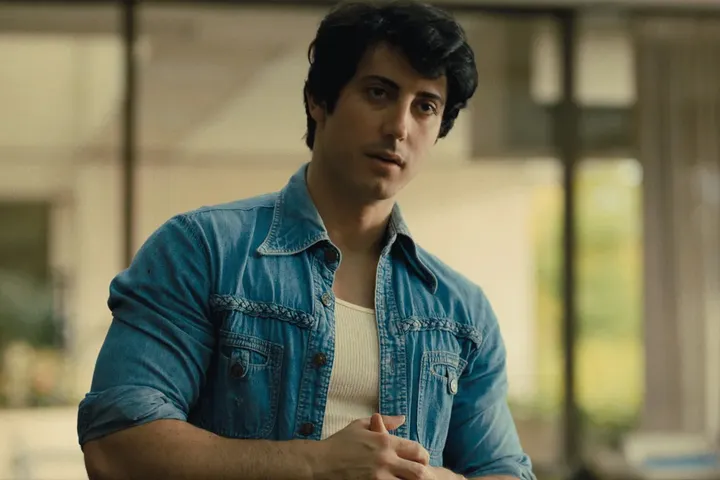
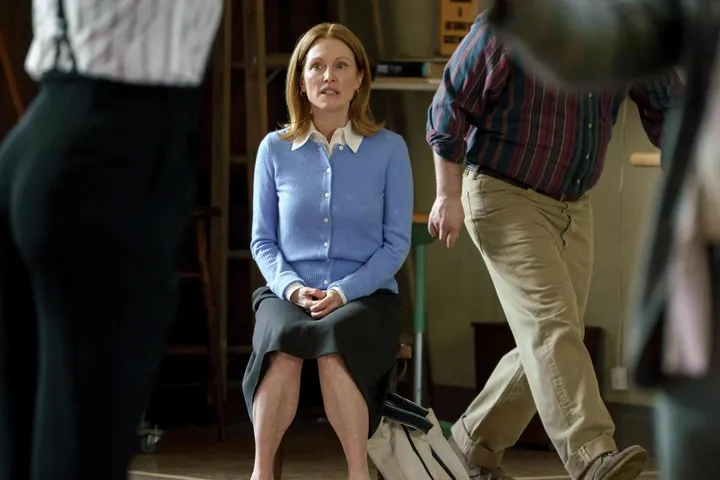
The setting is a medieval England that owes more to 1950s Hollywood than to any history book, loosely adapted from the Japanese ghost story Yotsuya Kaidan. Two knights, Edward (Jonah Hauer-King) and Richard (Leo Suter), murder the father and husband of sisters Eleanor (Kristine Froseth) and Beatrice (Ellie Bamber), then ride up to the castle offering to avenge the killing and protect the women in exchange for marriage. A year on, Edward keeps putting off Eleanor’s requests to find the killer, and has fallen for Lady Isabel (Bella Heathcote) in another kingdom.
Hauer-King and Suter both look like male models, and Biller has a great time giving viewers obnoxious ways to wish them dead. Thankfully, the actors in The Face of Horror all completely understand the assignment, and Hauer-King in particular understands that Edward is funniest when he is most sincerely aggrieved by his wife. Froseth is asked to cover the widest ground, from courted beauty to neglected wife to the titular disfigured face, and she manages to get some real pain onto the screen. Bamber’s Beatrice, the quieter sister for most of the running time, comes into her own once the vengeance starts, which turns out to be by design: Biller has called her the final girl of the film. The male characters are all ripe for skewering, and (most) of the actors know exactly which meat they are.
Biller’s extravagant costumes do double duty as the best comedy in the film and as the most impressive craftsmanship, sometimes in the same shot. The whole thing looks like a Technicolor remnant pulled from a vault. Nobody makes movies that look like this anymore, and the pleasure of watching a filmmaker who can is real. It is also the pleasure that carries the picture, because the pacing does not.
The film is overlong, stopping dead in its tracks several times, including for a period musical number, and then has to build its momentum back from zero. A film of this kind is best when it’s doing too much, when the excess highlights the underlying theme and the crowd rolls with it. The Face of Horror keeps stopping to breathe, and every pause lets the air out of the room. The audience kept leaning forward to react and kept finding nothing to react to. I’d suspect the home viewer, without the crowd to prime them, will feel that gap even more. It takes far too long to get where everyone already knows it is going. When it gets there, the righteous retribution the men have coming is not nearly as satisfying as it could have been.
Biller has since said that Midnight Madness may not have been the right crowd, that the people in that room wanted something gorier, and that “camp,” applied to her work, amounts to an accusation of failed seriousness. She’s right about the crowd. I watched the same audience she did, and they spent two hours waiting for a film that never arrived. Where we part is whose problem that is. She reads the slot as the failure, a programming reflex that files a woman’s picture under midnight because of the color and the costumes and then resents sitting still for it. I think the film hands that room too many chances to drift.
The word is worth giving up, though. The first version of this review called the film a camp classic, and “camp” does work I didn’t ask it to do. It gives a reader permission to file the pain as a bit, and there’s no bit. Froseth gets real pain onto the screen, and I said so two paragraphs before I undercut her with a headline. What I mean when I call the film funny is not that Biller failed to be serious. The humor is a register she chose, says she chose, and mostly controls.
Underneath the broad comedy there is something honest and painful about feeling undesired as you age as a woman. The pressure to stay young, to stay interesting, to stay healthy for a partner who is already looking past you: the film names that directly. That material is the tragedy Biller said she was making. It’s just a pity the movie around it keeps interrupting her.
Nobody in that room was laughing at her.