


‘Here the Whole Time’ is bad. I kinda like it.
It is being sold by Netflix as the Brazilian Heartstopper. It is silly. It is sugary. It is twenty years late to the body positivity trend. But maybe that’s exactly why we need it?
Sometimes I open my cellphone and, after being bombarded with looksmaxxing social-critique content, I miss the simple times of that Dove campaign from 2004, where they asked people to think about what real beauty is. I was 14 (don’t do the math) and if I still remember so clearly the line of women, all shades of skin, no visible makeup, with normal breasts and bellies and legs, it’s because it got me. Already as a teenage girl, I was made to feel bodily inadequate, and it’s not as if I didn’t already have a lot to think about with all the hair growing on my knees and similar issues.
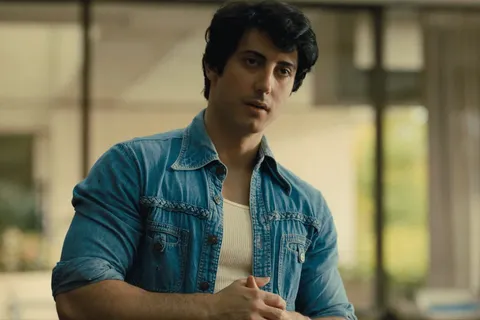
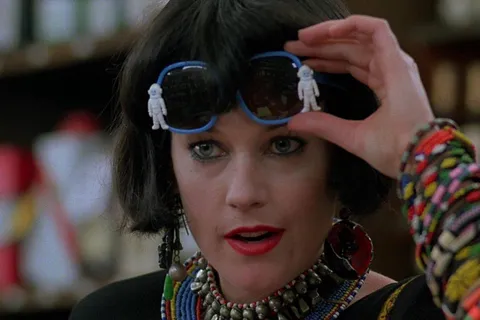
Here the Whole Time brings back all that good ol’ body positivity spirit that seems to have rapidly given its media space over to preventive Botox. It’s a sugary teen rom-com, so we shouldn’t ask for too much — never ask from a movie what it didn’t promise you — but it has its highs. Very postmodern, it isn’t ashamed to reference many musicals and rom-coms from the 2000s, like Hairspray and 500 Days of Summer; it’s fun, it’s full of energy, and it is careful to make every scene visually interesting, never boring to look at. Once again, we have the example of good parenting that we saw in Alice Jr. and in Heartstopper (Netflix is being loud about this being the “Brazilian Heartstopper”). But the actors don’t have chemistry, and the 15-days structure is more of a scriptwriter tic than something that actually works in favor of the movie. And the jokes don’t work so well for a bitter lady like me, but they might work for you.

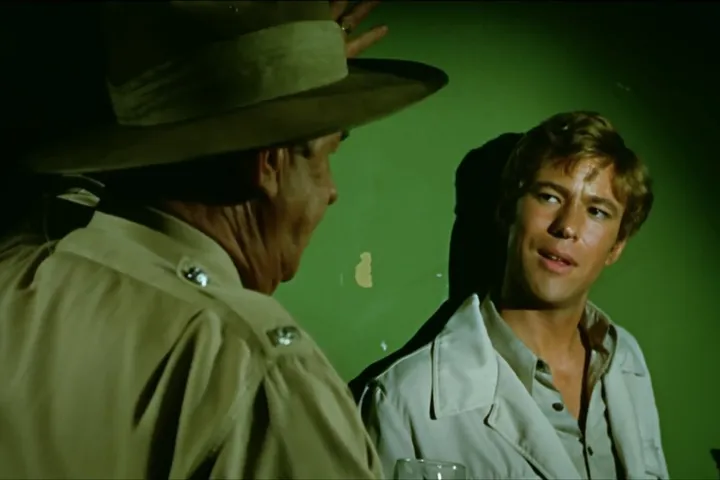
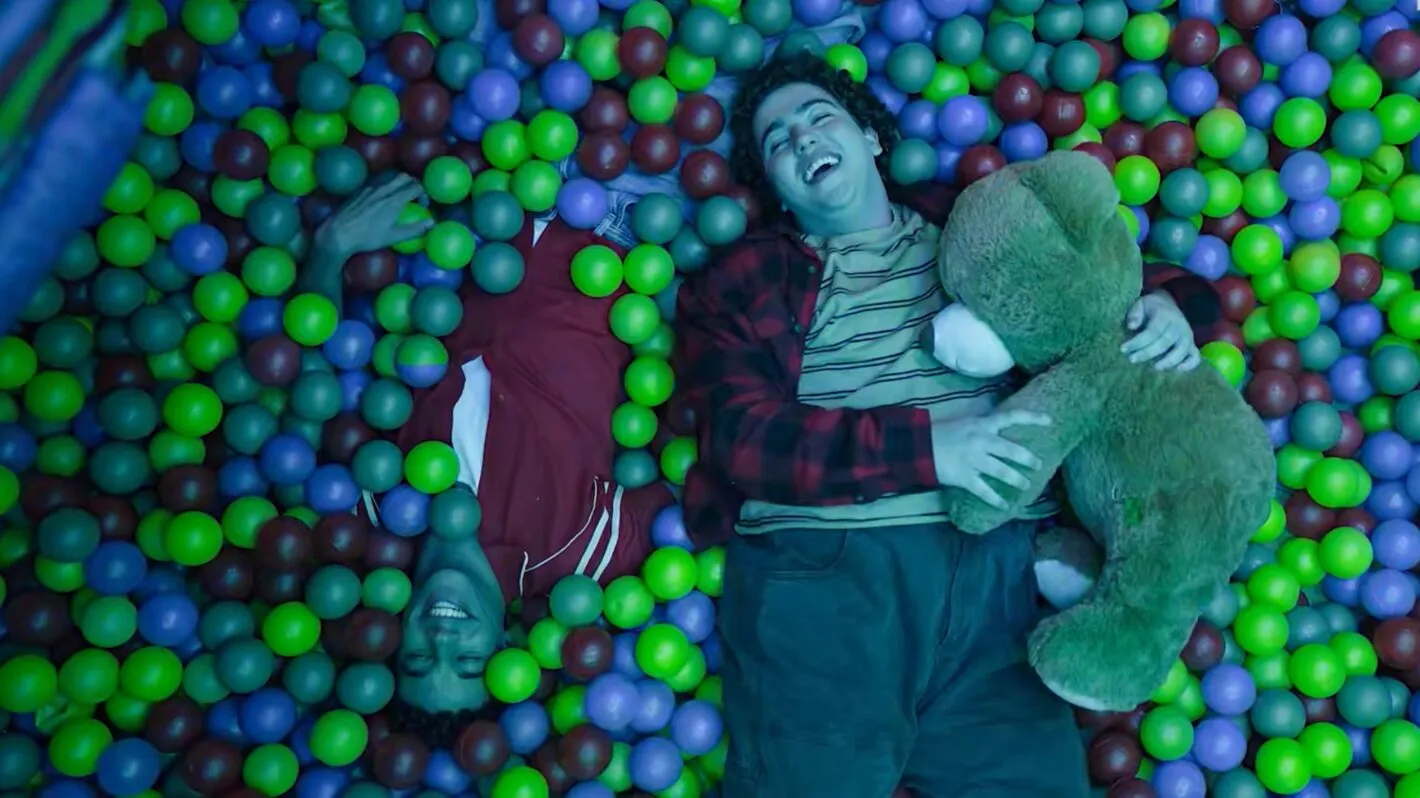
Here the Whole Time (2026, Daniel Lieff) in one of its many references to classic rom-coms
What got me, and brought me back to the Dove campaign, was a beautiful scene with the mother by the end of the movie. Besides making sapphics throw themselves out of windows by playing Mommy, Débora Falabella conveys a very difficult feeling: making someone you love understand that their value is beyond being conventionally pretty. It’s a frustrating task, because it sounds like a consolation prize (“you’re so smart”). But when you love someone, it is for reasons so much bigger than just being pretty, and in the end, it makes you beautiful. When I first heard of this movie, I remember thinking it was coming a little bit (20 years) late to the trend. But it’s maybe necessary right now, with the real beauty claims buried in cynicism, especially considering its considerable success in Brazil: it was released on the 18th of June, close to the Brazilian Valentine’s Day, and it was seen by 1.7 million Brazilians on the big screen before Netflix bought it for international release. Maybe we needed to be reminded that beauty is, after all, in the eyes of the beholder; and for that, we have no way out but to learn to love ourselves.
And I still can’t believe Carreta Furacão saved the two teen queens.